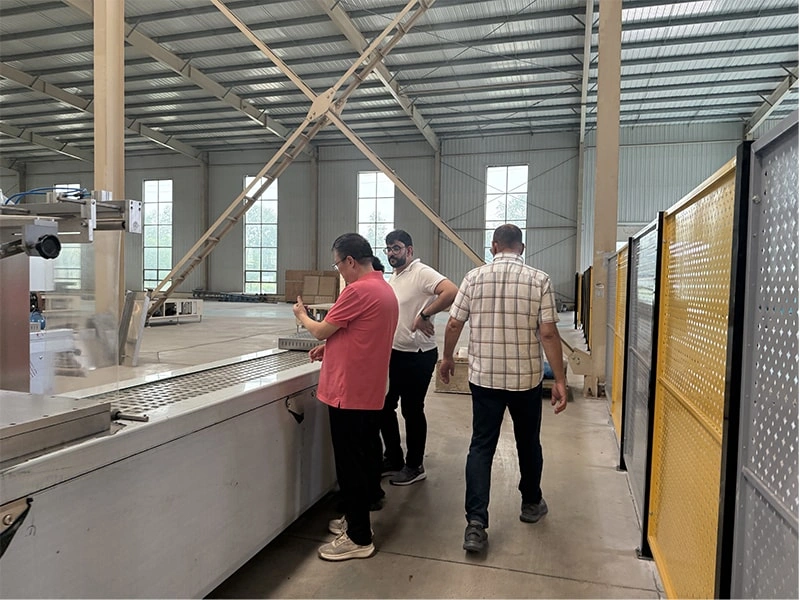
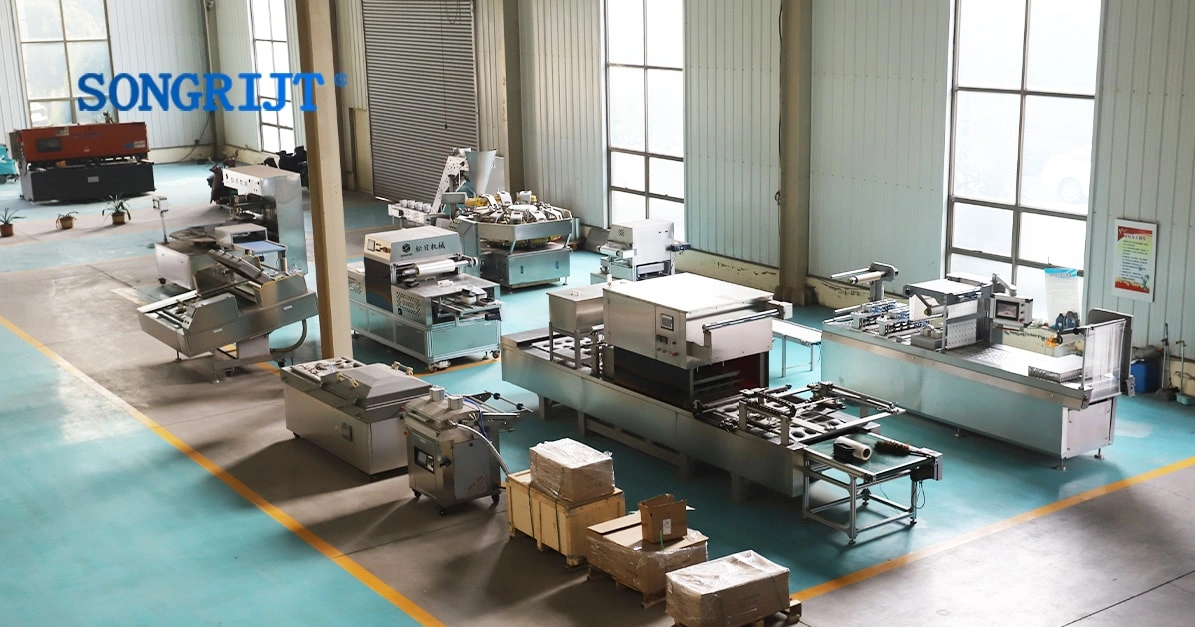
Welcome to visit our factory at any time !
 LANGUAGE


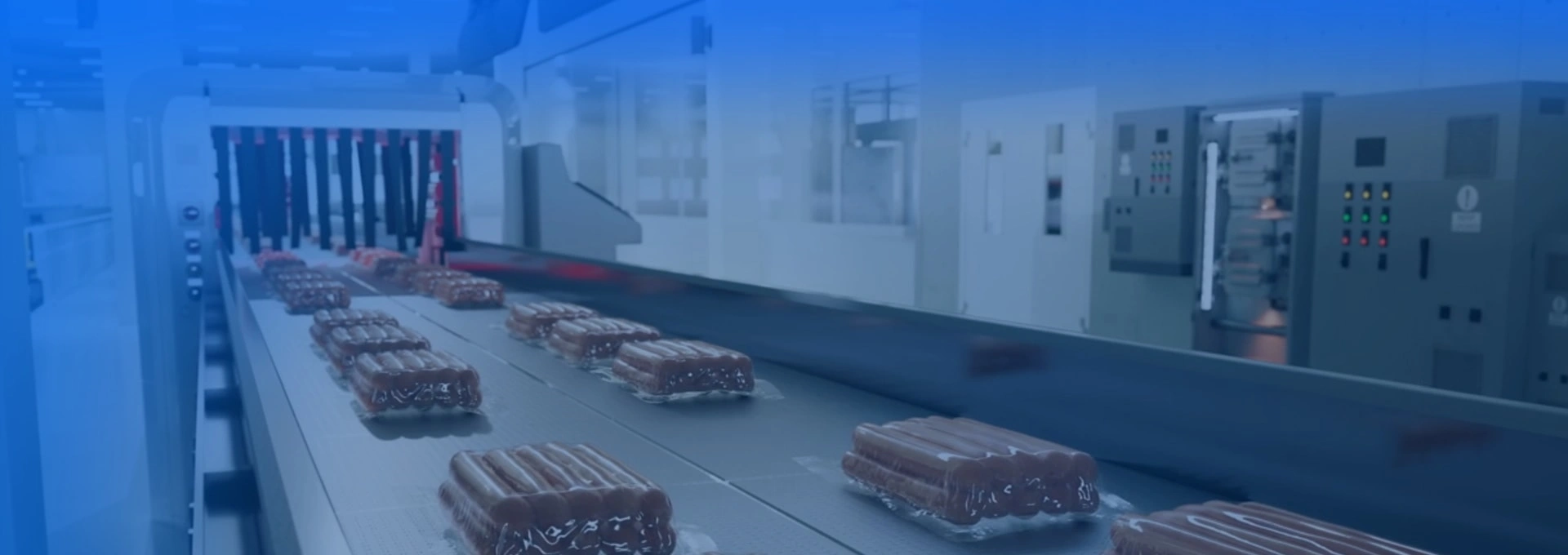
In the early 1990s, the rapid expansion of China's food industry spurred the simultaneous rise of the vacuum packaging machinery sector, driven by market demand. After over 30 years of development, the industry has now begun to take shape. However, this rapid growth has also brought increasingly serious challenges that need to be addressed urgently.
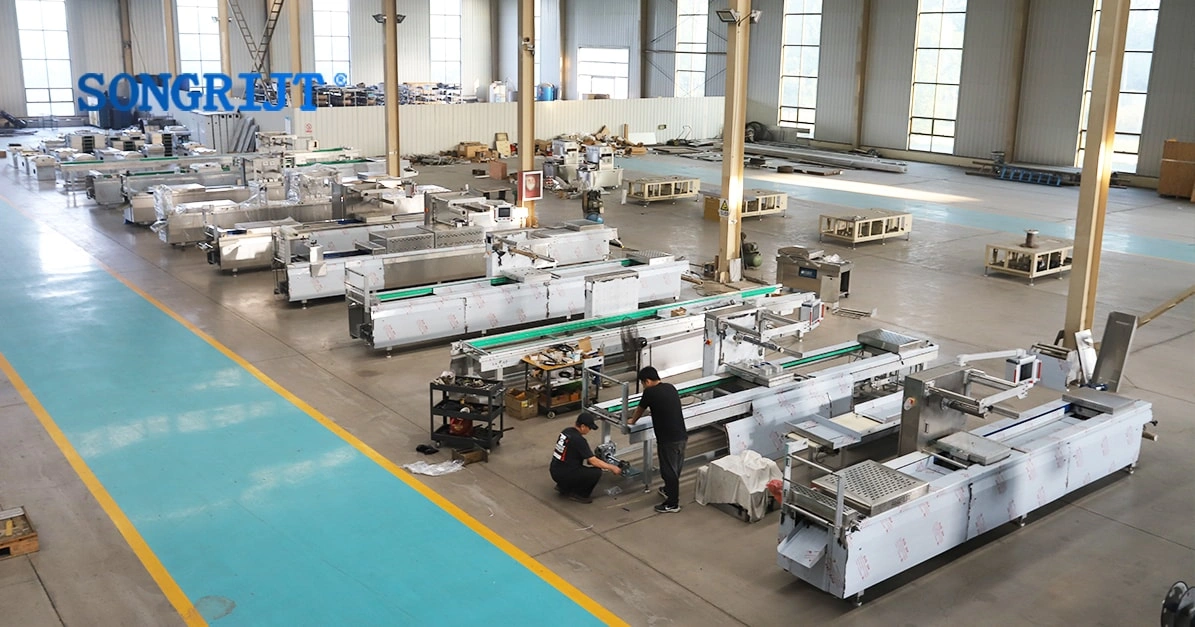
Firstly, there is a lack of technological innovation. Although market requirements for the performance of vacuum packaging machines are continuously increasing, the pace of technological advancement across the industry remains slow. Many companies lack the R&D capabilities needed to develop high-end equipment with strong adaptability and the ability to handle diverse types of products. Existing equipment also suffers from issues such as unstable performance and operational complexity—for instance, declining vacuum levels or poor sealing after prolonged use—which increases maintenance costs for businesses.
Secondly, homogenized competition is severe. Overcapacity exists for certain products within the industry, such as double-chamber vacuum packaging machines and modified atmosphere packaging machines. Many manufacturers lack core technologies, resulting in highly similar products in terms of functionality and appearance, with little distinctive advantage. To capture market share, companies often resort to price wars, leading to declining profit margins across the industry. This, in turn, hampers sustainable development and reduces investment in technological R&D.
Thirdly, product quality is inconsistent. Some vacuum packaging machine manufacturers adopt low-price strategies and use substandard components to reduce costs. This results in poor equipment performance, customer complaints, and a generally negative reputation for the industry in China. The consequence is a persistently weak market, low profitability, and a vicious cycle where companies continue to compete on price merely to stay operational.
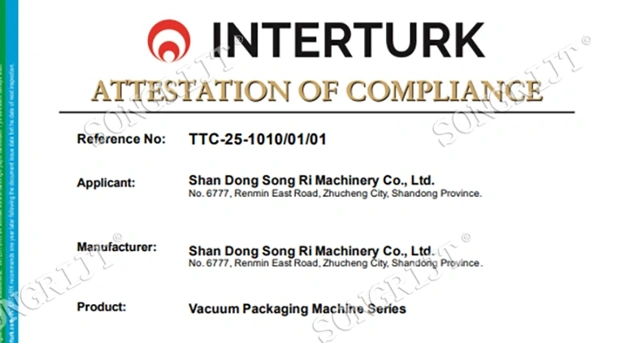
In response to these pressing issues, it is essential for stakeholders to build consensus and take proactive measures. For instance, establishing a vacuum packaging machinery industry association and creating an evaluation mechanism would help strengthen certification systems and promote awareness. By enhancing supervision, raising industry standards, and encouraging self-regulation, companies can be guided to shift from competing on price to competing on quality and technology. Ultimately, these steps will support the sustainable development of the vacuum packaging machinery industry.




Copyright © 2025 by Shandong Songri Machinery Co., Ltd. All Rights Reserved
Privacy Policy Designed by HUISHANG