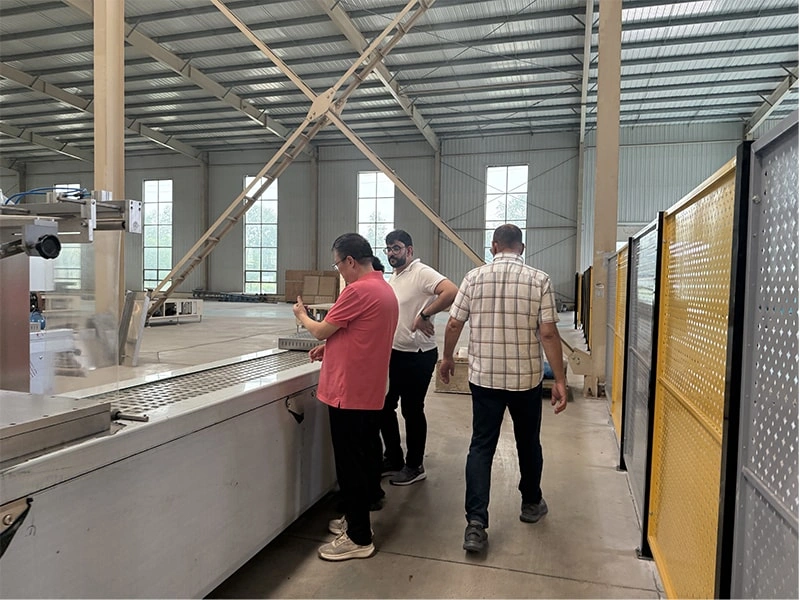
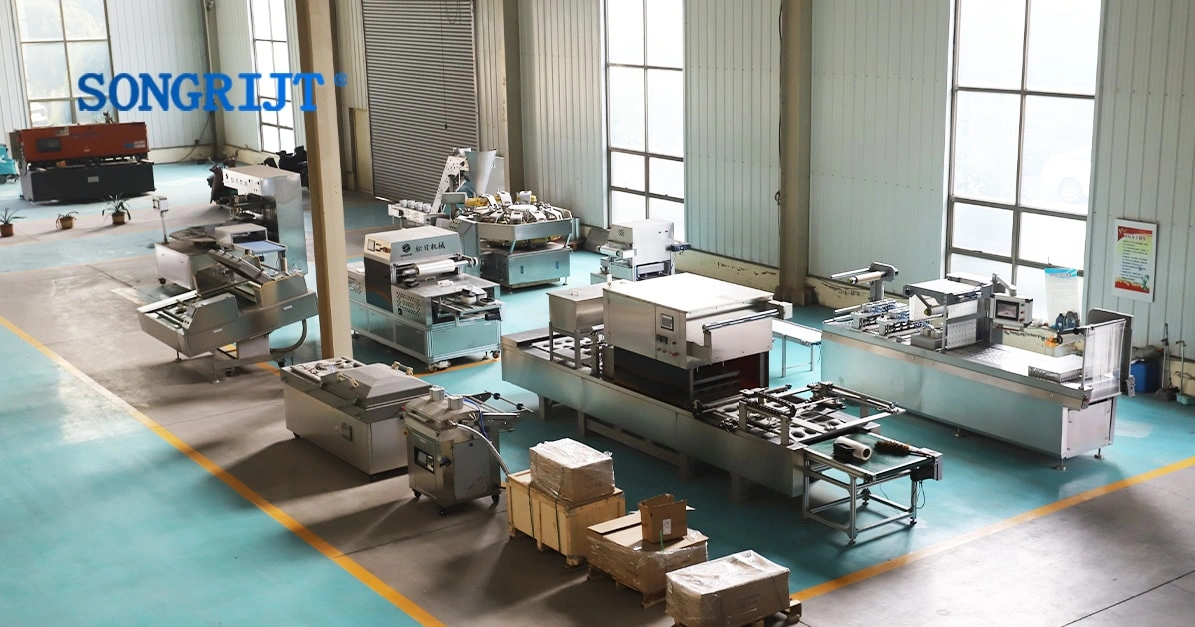
Welcome to visit our factory at any time !
 LANGUAGE


I. Preservation Principle of Modified Atmosphere Packaging Machines
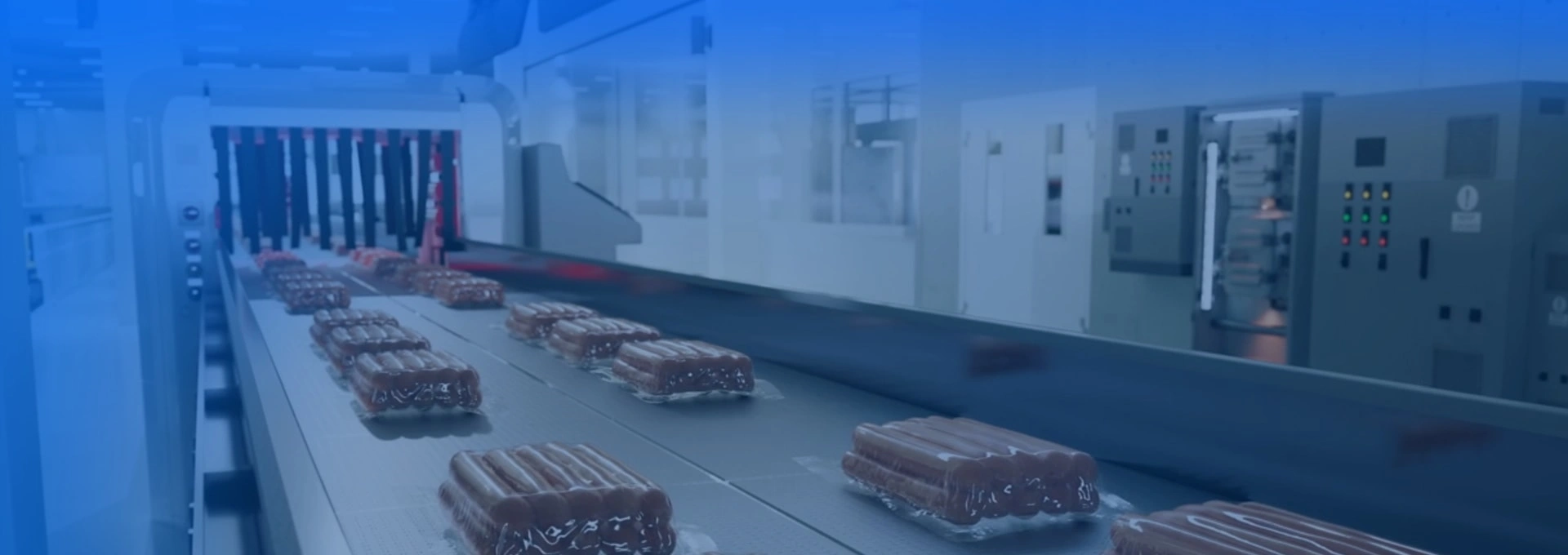
1. Modified Atmosphere Packaging, internationally known as MAP (Modified Atmosphere Packing). The principle of the Modified Atmosphere Packaging machine is to use a composite preservation gas (a mixture of 2-3 gases proportioned according to the characteristics of the food) to replace the air inside the packaging box or bag, thereby changing the external environment of the food within the box (bag). This inhibits the growth and reproduction of bacteria (microorganisms) and slows down the metabolic rate of fresh fruits and vegetables, thus extending the food's shelf life or preservation period.
2. The modified atmosphere preservation gas generally consists of carbon dioxide (CO2), nitrogen (N2), oxygen (O2), and a small amount of special gases. CO2 acts to inhibit the growth and reproduction of most spoilage bacteria and molds and is the primary antibacterial component in the protective gas mixture. O2 functions to inhibit the growth of most anaerobic spoilage bacteria, maintain the bright color of fresh meat, and support the aerobic respiration of fresh fruits and vegetables, thus preserving freshness. N2 is an inert gas that does not react with food and serves as a filler gas, combining with CO2, O2, and special gases to form the composite preservation gas. The composition and persent of the preservation gas differ for various foods and fruits/vegetables.
II. Key Technologies of Modified Atmosphere Packaging Machines
For a qualified Modified Atmosphere Packaging machine, two key technical indicators must meet corresponding requirements. These two indicators are: firstly, a high gas replacement rate, and secondly, a low error rate in gas mixing precision. The quality and qualification of modified atmosphere preservation packaging equipment are judged based on these two key indicators.
Carbon dioxide has the effect of inhibiting the growth and reproduction of most spoilage bacteria and molds and slowing down the metabolic rate of fresh fruits and vegetables; it is the main antibacterial component in the preservation gas.
Oxygen functions to inhibit the growth of most anaerobic bacteria, maintain the color of fresh meat, and sustain the aerobic respiration of fresh fruits and vegetables to preserve freshness.
Nitrogen is an inert gas that does not react with food. It acts as a filler gas, combining with carbon dioxide, oxygen, and special gases to form the composite preservation gas. Different foods and fruits/vegetables require different compositions and proportions of the preservation gas.
When using modified atmosphere packaging machines for preserving foods, fruits, and vegetables, there must be reasonable requirements for the gas mixing precision error and the gas replacement rate. In the standards for advanced composite modified atmosphere preservation packaging equipment in developed countries, the gas replacement rate is required to be over 98%, and the error rate of the preservation gas mixing precision is required to be less than 2%. This is because these two indicators play a crucial role in the preservation of foods, fruits, and vegetables.
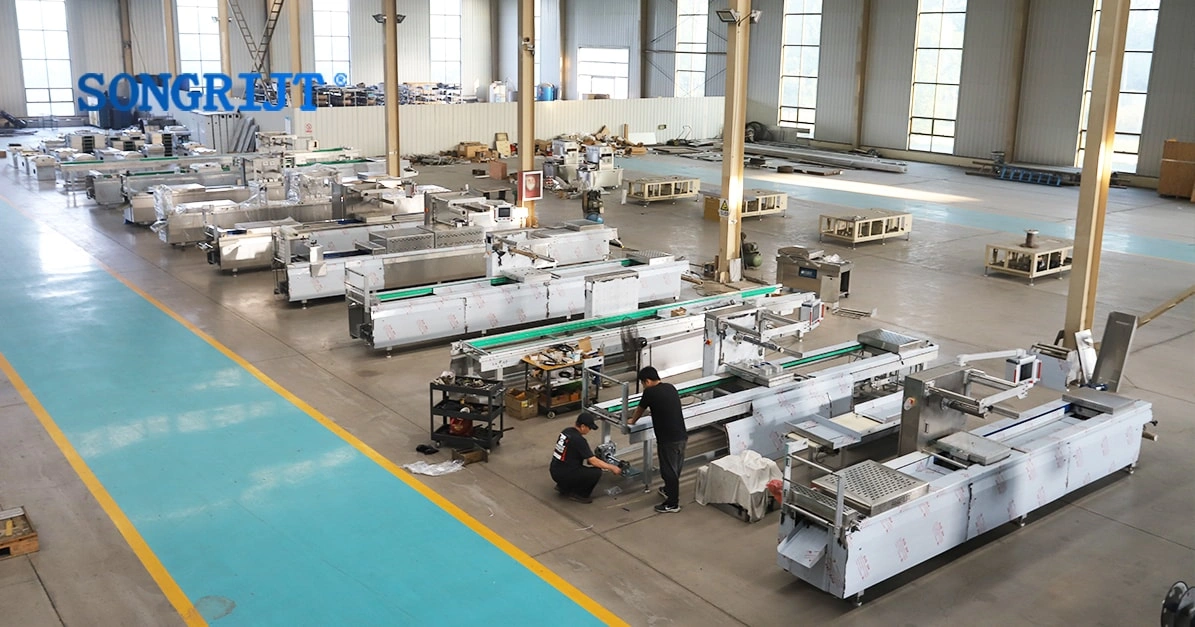



Copyright © 2025 by Shandong Songri Machinery Co., Ltd. All Rights Reserved
Privacy Policy Designed by HUISHANG